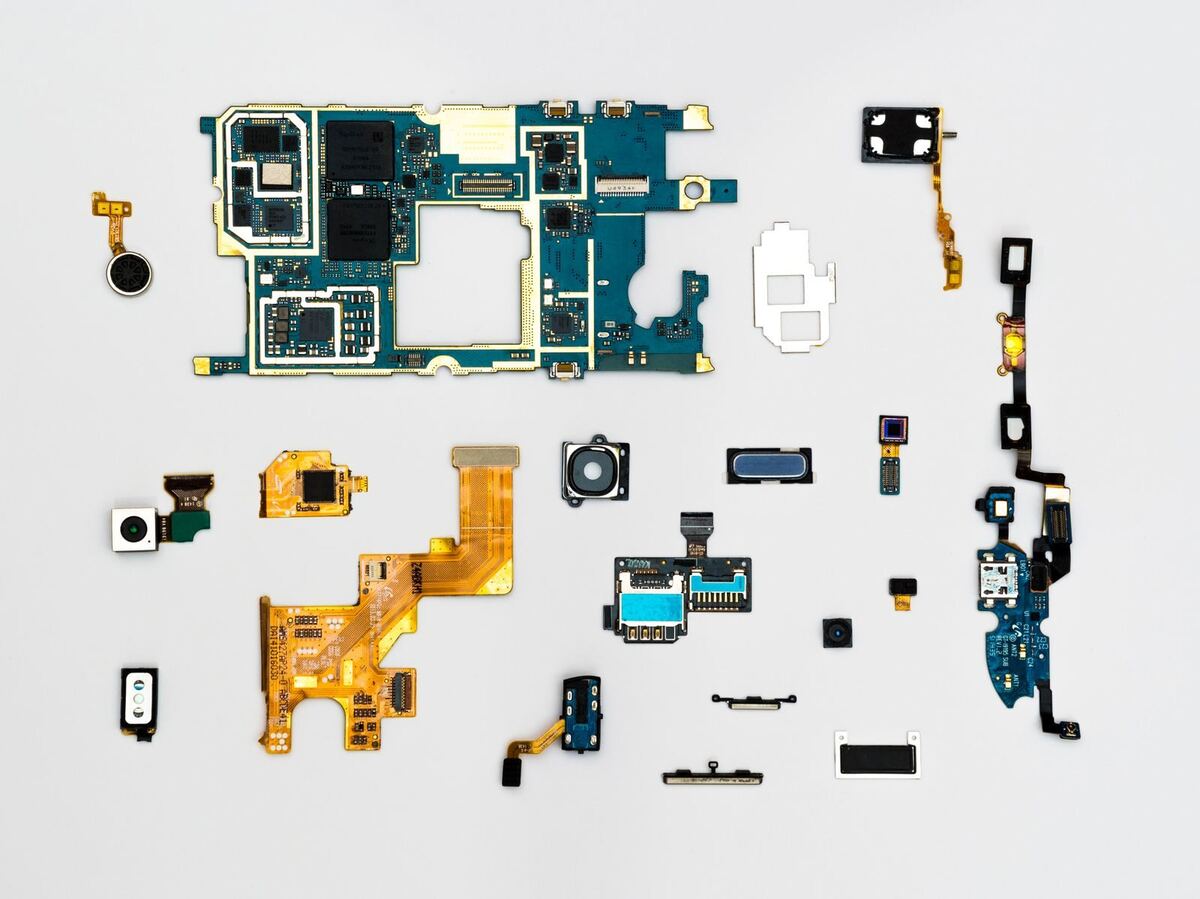
Individual phone parts laid out side by side — phone repair Düsseldorf
Parts pairing

Parts pairing: why some spare parts trigger messages

A new part is fitted, everything works, and yet there's a notice in Settings. That's not a fault, it's a decision made by the manufacturer.

Published Topic Repair

Parts pairing: why some spare parts trigger messages

What parts pairing is

Parts pairing means that a part is linked by software to exactly the device it was fitted in at the factory. When the device starts, it checks whether the part is still the same one.

If the ID doesn't match, the software reacts. That can range from an entry in Settings to a single feature no longer being available.

It mainly affects the display, battery and camera. These are the parts where you're most likely to notice the effect.

How it shows up in everyday use

These are the most common effects. None of them makes the device unusable.

  • An entry in Settings saying that a part has been replaced
  • The battery health display stays empty or incomplete
  • Automatic colour adjustment is missing after a display replacement
  • Some camera features no longer work as before
  • The fingerprint sensor has to be set up again

A notice is not a lock

The entry in Settings is neither a fault nor a block. The device keeps working normally, charges normally and still gets updates.

When you pick it up, we show you where the entry is and exactly what it says. Then you know what a future buyer would see.

Why manufacturers do this

There are reasons for it that aren't just excuses. Some parts carry calibration data that only fits that one device. A camera is calibrated to its lens at the factory, and a display to its colour values.

The second reason is theft protection. If parts from stolen devices can no longer be used, stripping them for parts pays off less.

The third reason is security. With the sensors for facial recognition, it would be a real risk if third-party hardware could simply be fitted. What that means for a display replacement is covered in the article on Face ID.

So the criticism isn't aimed at the principle itself, but at the fact that it also applies to parts where none of these three reasons holds.

What has changed recently

Apple has opened the way to using used genuine parts for repairs. Before that, many features depended on a part being brand new and assigned to the device.

On top of that, there's a repair assistant that loads the calibration data directly on the device after fitting. The step that used to need a server in the background now runs on the device itself.

One limit remains, and it makes sense: parts from devices reported lost or stolen can't be calibrated.

What the EU rules say about it

The European Repair Directive prohibits manufacturers from obstructing repair through hardware or software techniques. It is only allowed where there are objective reasons, such as protecting intellectual property.

The ecodesign rules for smartphones come at it from the other side: professional repairers must get non-discriminatory access to the software and firmware needed for a replacement.

Exactly where the line between an objective reason and obstruction lies will have to be settled case by case. The direction is clear. You can read more in the article on the right to repair.

What this means for your decision

For you, it comes down to three questions, and we answer them before the repair.

  • Which feature might be missing after the replacement?
  • Is it a feature you actually use?
  • Does anything change if you choose the other spare part grade?

What this doesn't change

With some parts a notice can be avoided, with others it can't. That depends on the model and the part, and we tell you beforehand what to expect with your device.

We give our warranty on whatever we fit, regardless of whether an entry later appears in Settings.

And regardless of which spare part grade you chose. The differences the two grades make in everyday use are explained in the article on genuine and aftermarket parts.

Frequently asked questions

Quick answers

Is my phone unsafe after a notice like this?

No. The entry says that a part doesn't come from the manufacturer's network or comes from another device. It's information for you and for a future buyer, not a warning about any danger.

Why does my battery health show nothing after the replacement?

Because the display reads values from the battery itself, and these are only fully passed on with a paired part. The battery still charges and lasts normally. If you like, we measure its health with our tester and tell you the figure.

Can the entry be removed again?

No. The repair history belongs to the device and can't be deleted. That's intentional: a future buyer should be able to see what was done. The entry has no effect on how you use the phone.

Does parts pairing also affect Samsung devices?

We come across it less often there in this form. With Galaxy devices, the issue is more the fingerprint sensor under the display, which is replaced along with the display. You simply register your fingerprints again afterwards, which takes a minute.

Your question isn't here? Call us on 0211 26134549 or send us a repair request.

Request

Get your device checked now

Tell us which device it is and what is wrong with it. We get back to you with the price and how long it takes.

  • No obligation: a request is not an order
  • Free diagnosis and quote
  • A phone number or email is all we need
Prefer to call?0211 26134549
Request a repairStep 1 of 5

What brand is your device?

Four short questions. Then we get back to you with the price and how long it takes.

Have your device looked at now

Tell us what's not working, and we'll have the right part ready. We look at your device for free and give you a quote. Then you decide in your own time whether we repair it.

4.8 out of 5742 reviews on Google
WhatsApp